



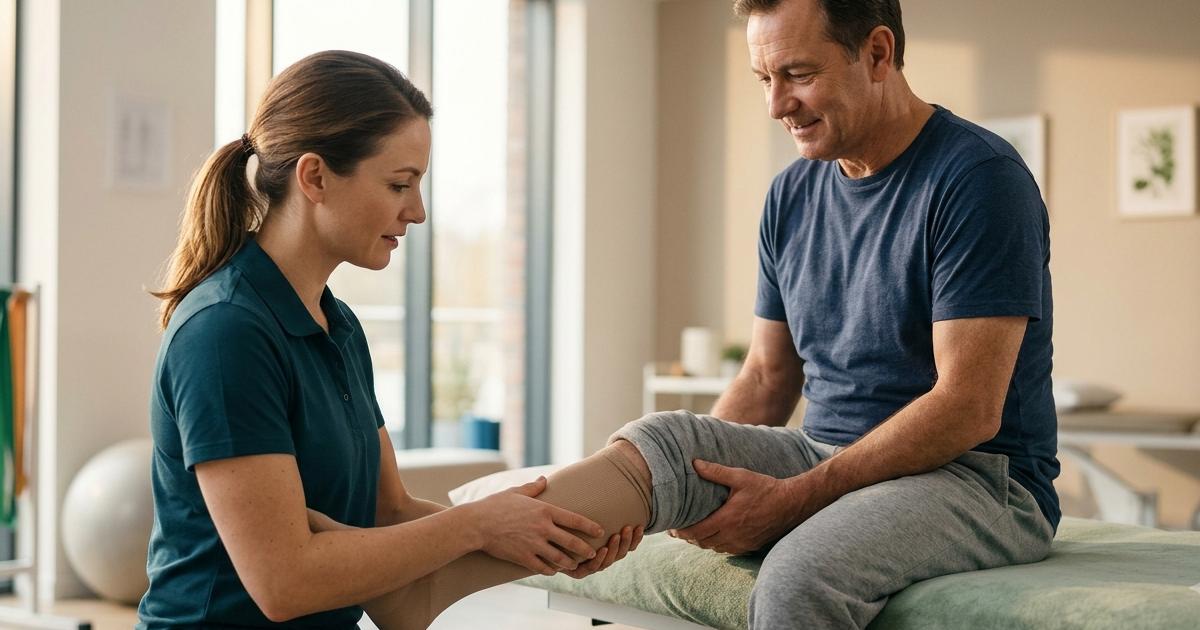

Let me be straight with you right from the start — residual limb pain is one of those things that doesn't get talked about enough in the amputee community. People hear a lot about phantom pain, which is real and deserves its own conversation, but the physical pain that comes directly from your residual limb? That one can sneak up on you and stick around longer than you ever expected. I know because I've been there.
Three years into this journey, I've had my share of days where my residual limb was the loudest thing in the room. Throbbing, aching, sharp pains that made me question everything. And I've also had the good days where I barely thought about it at all. The difference between those two kinds of days usually comes down to habits, awareness, and a few hard-won lessons I want to share with you today.
Understanding Where Residual Limb Pain Actually Comes From
Before you can manage the pain, it helps to understand what's causing it. Residual limb pain isn't just one thing — it's a category that covers a whole range of issues, and knowing the difference matters a lot when it comes to finding the right solution.
Socket Fit Issues
This one is probably the most common culprit, and it was definitely something I dealt with early on. When your socket doesn't fit correctly — whether it's too tight, too loose, or putting pressure in the wrong spots — your residual limb pays the price. You might notice hot spots, blistering, bruising, or a deep aching pain that gets worse as the day goes on. If your pain follows the pattern of starting mild in the morning and getting worse throughout the day, your socket fit is the first place to look.
Neuroma Pain
After amputation, nerve endings don't just disappear. Sometimes they form little bundles called neuromas that can become incredibly sensitive. Neuroma pain tends to feel sharp, electric, or shooting — kind of like touching a live wire. It can be triggered by direct pressure from your socket or even just by touch. If you're feeling that kind of sharp, localized pain in a very specific spot, talk to your prosthetist and your doctor. There are treatment options, including targeted desensitization techniques and in some cases medical intervention.
Skin Breakdown and Pressure Sores
Your residual limb is doing something it was never designed to do — bearing weight and pressure inside a prosthetic socket. Over time, or when conditions change, the skin can break down. I've had spots that started as minor irritation and turned into something I had to take seriously and give time to heal. Skin breakdown isn't just painful; it can sideline you completely if you let it go too far.
Swelling and Volume Changes
Your residual limb changes size throughout the day and across different seasons. When I first got fitted, nobody fully prepared me for how much my limb volume would fluctuate. When your limb shrinks inside the socket, it can drop too far down and create painful pressure points at the bottom. When it swells, it creates pressure at the top. Managing your liner socks and staying on top of those volume changes is a real part of managing pain.
What Has Actually Helped Me
I've tried a lot of things over the past three years. Some worked great. Some were a waste of time and money. Here's what has genuinely made a difference for me.
Staying in Close Contact with My Prosthetist
I cannot say this enough — your prosthetist is your partner in this. When I started having pain I couldn't explain, the first call I made was to my prosthetist. Sometimes the fix was a simple adjustment. Sometimes it required a new liner or a socket modification. Don't try to tough it out alone. Your prosthetist has seen this before and they want to help you figure it out.
Residual Limb Massage and Desensitization
My physical therapist introduced me to residual limb massage early in my recovery, and it has remained one of the most useful tools I have. Gently massaging the residual limb helps with circulation, breaks up scar tissue over time, and helps desensitize areas that are overly sensitive. At first it felt weird and even uncomfortable in certain spots, but with consistency it made a real difference. Dede actually helped me with this during the early months, and it became a part of our evening routine.
Elevation and Rest When Needed
There are days when the right answer is to take the leg off and elevate your residual limb. I used to resist this because I didn't want to feel like I was losing ground, but rest is not weakness — it's strategy. Elevating your limb reduces swelling and gives irritated skin a chance to recover. Learning to listen to your body and respond before small problems become big ones is one of the most important skills you'll develop as an amputee.
Consistent Skin Care
I've written about skin care before, but it connects directly to pain management. Keeping the skin on your residual limb healthy, moisturized, and free of breakdown is one of the best preventive measures you can take. I use a silicone-based moisturizer at night after I take my liner off, and I inspect my limb every single day. It only takes a few minutes, but those few minutes have saved me from a lot of painful setbacks.
Things That Have Helped Manage the Pain Itself
- Topical treatments like lidocaine cream for localized nerve pain — always check with your doctor first
- Ice or cool compresses for inflammation-related pain after a long active day
- Over-the-counter anti-inflammatories when appropriate and doctor-approved
- Warm Epsom salt soaks for the residual limb on particularly rough evenings
- Adjusting liner thickness or adding prosthetic socks to manage socket fit throughout the day
- Taking intentional breaks during long periods of wear to give the limb a rest
- Staying hydrated, because dehydration affects swelling and tissue health more than people realize
What Doesn't Help — And What I'd Skip
Look, I'm not here to sell you anything or pretend every solution I tried was a winner. There were things that didn't work for me, and I think being honest about that is just as valuable as sharing what did.
Pushing through severe pain because you feel like you have to is one of the biggest mistakes I see new amputees make — including past me. Pain is information. When your body is sending that signal loudly and consistently, the answer is almost never to just ignore it and keep going. I've pushed through discomfort that turned into a skin breakdown that cost me two weeks of prosthetic wear time. Two weeks. I could have avoided the whole thing if I had listened sooner.
I also tried a few gadgets and topical products that made big promises and delivered very little. I won't name names, but just know that not everything marketed toward amputees is worth your money or your hope. Stick with what your care team recommends and what the community of real-life amputees has validated through experience.
When to Call Your Doctor
There's a difference between manageable discomfort and pain that needs medical attention. Here are the signs that you should stop trying to handle it yourself and get on the phone with your care team right away.
Signs That Warrant a Medical Call
If you notice any of the following, don't wait it out — reach out to your doctor or prosthetist immediately:
- Open wounds, ulcers, or sores that aren't healing within a day or two
- Signs of infection including redness, warmth, swelling, or discharge
- Fever accompanying limb pain
- Sudden or dramatic increase in pain with no clear cause
- Pain that is waking you up from sleep regularly
- Any changes in the color or temperature of the residual limb that concern you
I know it can feel like you don't want to bother your care team with every little thing, but trust me — they would rather hear from you early than have you come in with a problem that has gotten much worse. That's exactly what they're there for.
The Bigger Picture
Managing residual limb pain is part of the long game. It's not something you solve once and never think about again. It's an ongoing relationship with your body — one that requires attention, honesty, and a willingness to adapt. Some days will be harder than others. Some seasons will be rougher. But with the right habits, the right team around you, and a commitment to taking care of yourself, you can keep the pain from running your life.
Dede has seen me on the hard pain days, and she'll tell you that the ones where I actually slowed down and took care of myself were always the ones with the faster recoveries. She was right, even when I didn't want to admit it.
If you're in the middle of a painful stretch right now, I just want you to know — it does get better. You learn your body. You learn the signals. You build a routine that works. And every hard day is still a day you're in this fight. That counts for everything.