



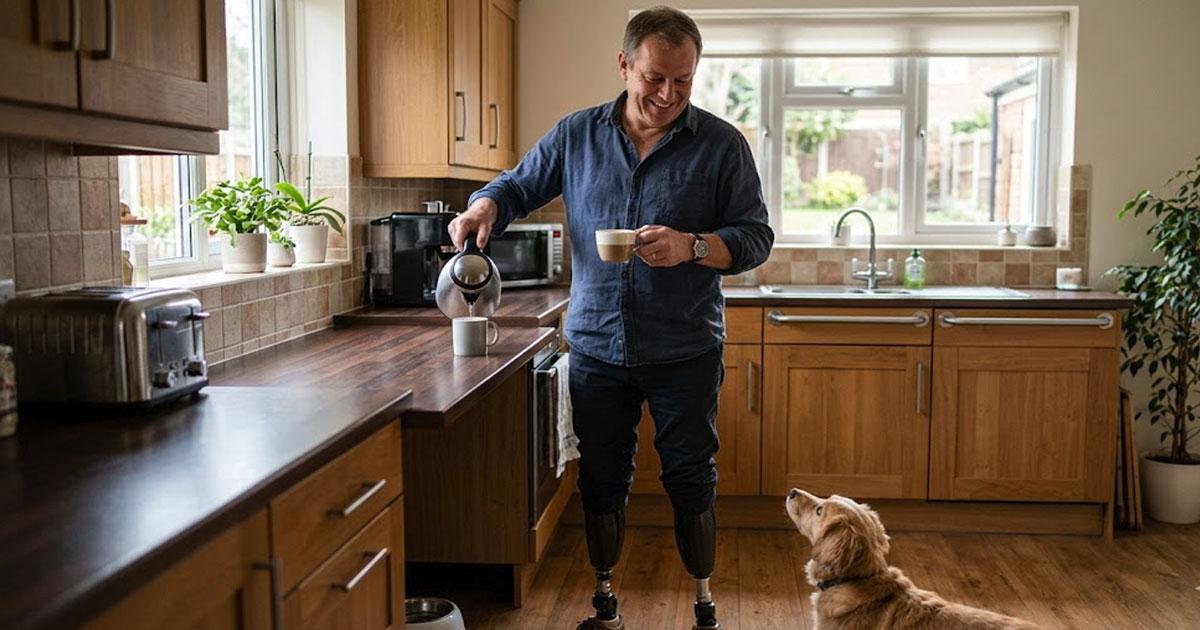

After amputation, home quickly becomes more than just a place to live — it becomes your recovery environment, your training ground, and your first real test of independence. The biggest changes don’t always happen in therapy sessions or outside the house. They happen in the everyday routines most people take for granted.
Getting out of bed, moving through tight spaces, cooking a meal, or stepping into the bathroom can suddenly require thought, balance, and planning. At first, that can feel like a setback. But over time, these small adjustments become the foundation for rebuilding independence.
Making the Home Work With You
One of the first realizations after amputation is that your environment matters just as much as your physical progress. A home that once felt effortless to move through can suddenly present obstacles you never noticed before.
Simple changes can make a major difference:
- Clearing walking paths to reduce fall risks
- Moving frequently used items within easy reach
- Reorganizing furniture to create open movement space
- Removing loose rugs or unstable surfaces
These aren’t just safety improvements — they’re confidence builders. Every adjustment reduces hesitation and makes movement feel more natural again.
The Bathroom: Building Safety Into Routine
The bathroom is often one of the most challenging areas to adapt. Slippery floors and tight spaces can turn routine tasks into stressful moments.
Helpful adjustments include:
- Installing grab bars near the toilet and shower
- Using non-slip mats on wet surfaces
- Adding a stable shower seat for balance and rest
- Keeping essentials within arm’s reach to avoid unnecessary movement
These changes aren’t about limitations — they’re about control. They help restore independence in one of the most important daily routines.
The Kitchen: Relearning Efficiency
The kitchen is another space where independence slowly rebuilds. What used to be automatic now becomes more intentional.
Small adjustments can help reduce strain:
- Organizing cabinets so daily items are easy to access
- Using lighter cookware and tools when possible
- Preparing meals in steps instead of all at once
- Creating a simple, consistent workflow to reduce fatigue
Over time, these adjustments stop feeling like accommodations and start becoming your new normal way of doing things.
The Mental Shift That Matters Most
Physical changes to the home are important, but the mental shift is just as critical. There’s a point where you stop comparing how things used to be and start focusing on how things are now.
That shift changes everything.
Instead of thinking in terms of loss, you begin thinking in terms of adaptation. Instead of frustration, you start noticing progress in small wins — standing longer, moving more confidently, or completing a routine without assistance.
Progress Happens in Small Moments
Independence after amputation isn’t rebuilt in a single breakthrough moment. It happens in quiet, repeatable progress:
- Getting through a morning routine with less effort
- Navigating a room without hesitation
- Completing tasks without needing help
- Feeling more stable and confident in your own space
These moments may seem small, but they add up quickly. They are the real indicators that you’re adapting and moving forward.
Closing Thoughts
Rebuilding independence at home isn’t about returning to how things used to be. It’s about shaping a new version of daily life that works for where you are now.
Your home becomes part of your recovery — not just physically, but mentally. And over time, the adjustments that once felt necessary stop feeling like adjustments at all. They simply become your life.